
Mastering the Art of Sports Broadcasting: Techniques and Trends
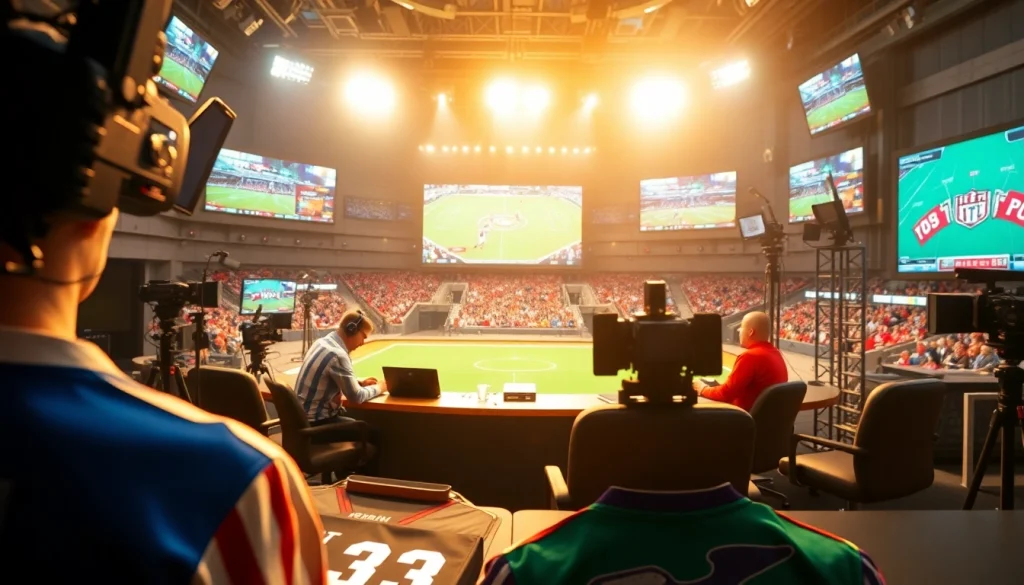
Introduction to Sports Broadcasting
Sports broadcasting is a vital aspect of the modern sports landscape, offering fans a chance to engage with their favorite teams and events from anywhere in the world. It encompasses the live coverage of sporting events as well as commentary, analysis, and highlights intended for television, radio, and online platforms. This Sports Broadcasting landscape is vast and complex, incorporating various technologies, styles, and formats that cater to a diverse audience.
What is Sports Broadcasting?
At its core, sports broadcasting refers to the distribution of sports events via mediums such as television, radio, and online streaming services. It allows audiences to access live or recorded content, which can include play-by-play commentary, in-depth analysis, and interviews with players and coaches. The purpose of sports broadcasting extends beyond mere transmission; it aims to enhance viewer engagement and promote the emotion of live sporting events.
Importance of Sports Broadcasting
The significance of sports broadcasting cannot be overstated. It acts as the primary conduit through which fans experience sports, fostering community and supporting local economies through viewership. Additionally, it helps develop and grow sports by promoting lesser-known events and leagues, providing them with visibility and potential revenue. For sponsors and advertisers, sports broadcasting offers a platform to connect with a targeted demographic actively engaged in following their favorite sports.
Historical Evolution of Sports Broadcasting
Sports broadcasting has evolved significantly since its inception in the early 20th century. The first live radio broadcasts of sports events appeared in the 1920s, with baseball becoming one of the first sports to be aired. Television further revolutionized sports broadcasting in the 1950s, bringing games to homes and drastically changing how audiences interacted with sports. As digital technology advanced, streaming services emerged, allowing fans to watch live games on-demand, thus reshaping the broadcasting landscape once more.
Key Components of Sports Broadcasting
Understanding the intricacies of sports broadcasting involves delving into various components that work seamlessly to deliver content to audiences. From technical equipment to the roles of individuals involved, each element plays a critical role in the overall broadcasting process.
Equipment Used in Sports Broadcasting
High-quality sports broadcasting relies on advanced equipment, including cameras, microphones, and production gear. Multi-camera setups provide different angles, enhancing viewer experience while ensuring that all crucial moments are captured. Audio equipment is equally important; announcers and commentators must be heard clearly, even in the most cacophonous environments, such as stadiums packed with noise. Additionally, monitoring screens and graphics devices are used to provide viewers with statistics, scores, and other relevant information in real time.
Understanding Live Feeds and Streaming
Live feeds are the backbone of sports broadcasting, capturing the action as it unfolds. These feeds must be transmitted with minimal delay for the live experience to resonate with audiences. Streaming technology allows these feeds to be delivered over the Internet, with services like OTT (over-the-top) platforms enabling access on various devices. Proper encoding and compression techniques are crucial for high-quality streams that do not lag or buffer, ensuring that fans remain engaged throughout the event.
Role of Announcers and Commentators
The human element in sports broadcasting is significant. Announcers and commentators provide essential context, energy, and analysis that enhance the viewing experience. Their skills range from play-by-play commentary to in-depth analysis of player strategies, which help fans get a deeper understanding of the game. Effective communication, passion for sport, and the ability to think quickly are key attributes of successful sports broadcasters, drawing the audience into the action.
Strategies for Effective Sports Broadcasting
To excel in sports broadcasting, professionals must employ various strategies designed to engage audiences effectively and deliver high-quality content that stands out in a competitive field.
Engaging the Audience
Audience engagement is crucial for any successful sports broadcasting effort. Understanding the target demographic and tailoring content to their preferences can significantly enhance viewership. Incorporating interactive elements like live polls and social media integration allows audiences to participate actively, thereby deepening their connection with the broadcast. Quality content that resonates emotionally, including behind-the-scenes looks or personal player stories, can also increase engagement.
Improving Commentary Skills
Commentators play a vital role in keeping viewers informed and entertained. Continuous improvement of commentary skills can elevate a broadcaster’s performance. This can involve gaining a deeper understanding of the sport, practicing articulating analyses clearly, and using storytelling techniques to make plays more memorable. Additionally, learning to balance technical commentary with engaging narratives allows for a richer viewing experience.
Utilizing Technology in Sports Broadcasting
Technology has transformed sports broadcasting in numerous ways, enhancing both the production for broadcasters and the experience for audiences. Employing state-of-the-art graphics, instant replays, and augmented reality can provide additional layers of context and excitement during broadcasts. Broadcasters also need to stay updated on emerging technologies like 5G, which promises even faster streaming capabilities and higher-quality feeds.
Challenges in Sports Broadcasting
Despite its many advancements, sports broadcasting also faces numerous challenges that can hinder the quality of broadcasts and the overall experience for viewers.
Addressing Technical Glitches
Technical issues can disrupt live broadcasts, leading to frustration among viewers. Broadcasting teams must be prepared for various contingencies, employing redundancies and backup systems to minimize disruptions. Regular technical rehearsals and maintenance checks can help ensure a smooth broadcast experience. Additionally, having well-trained staff available to troubleshoot issues quickly is essential for high-pressure live situations.
Managing Live Broadcasts
Managing live broadcasts requires the coordination of many moving parts, from the crew to the on-screen talent. Communication is key; ensuring every member knows their role during broadcasts contributes to a seamless production. Developing contingency plans for scenarios like weather disruptions or unexpected occurrences is crucial for maintaining control over the broadcast, allowing for a quick pivot when necessary.
Legal and Ethical Considerations
Sports broadcasting is subject to various laws and ethical standards, including licensing rights, fair use, and privacy concerns. Understanding these legalities ensures compliance and protects against potential lawsuits. Additionally, ethical considerations—such as fair representation and unbiased commentary—are vital for maintaining credibility in sports journalism. Keeping audiences informed while adhering to legal standards is vital for successful broadcasting.
Future Trends in Sports Broadcasting
The landscape of sports broadcasting is continually evolving. Future trends are likely to shape how audiences consume sports content, driven by technological advancements and changing viewer preferences.
Impact of Social Media
Social media platforms serve as both a distribution channel and a means of engagement for audiences. They allow broadcasters to share highlights, engage directly with fans, and create real-time discussions. Leveraging social media effectively can increase visibility of broadcasts, attract new audiences, and contribute to brand loyalty. As platforms evolve, integrating social media into broadcast strategies will be crucial.
Emerging Technologies in Broadcasting
Emerging technologies such as artificial intelligence, machine learning, and enhanced analytics are poised to revolutionize sports broadcasting. AI can assist in automating certain production tasks, generating real-time statistical insights, or even enhancing audience engagement through personalized content recommendations. Furthermore, innovations like virtual reality (VR) are redefining how fans experience games, providing immersive experiences that could reshape broadcasting in the future.
Future of Audience Engagement
As viewer preferences continue to evolve, the approach to audience engagement in sports broadcasting must also change. Interactive broadcasts that allow viewers to choose camera angles or access different statistics in real-time may become standard. Gamification strategies that integrate fantasy sports elements or predictive analytics into broadcasts could further enhance viewer interaction and commitment. Understanding these evolving expectations will be essential for broadcasters looking to remain relevant and innovative.
Frequently Asked Questions
What is the primary goal of sports broadcasting?
The primary goal is to deliver live sports events and related content to audiences, enhancing their engagement and enjoyment of the sport.
How can audience engagement be improved in sports broadcasting?
Engaging audiences can be achieved through interactive elements, quality content, social media integration, and behind-the-scenes storytelling.
What challenges do sports broadcasters face?
Challenges include managing technical glitches, coordinating live broadcasts, and adhering to legal and ethical standards.
What role do commentators play in sports broadcasting?
Commentators provide insights, energy, and context to the events, enhancing audience understanding and emotional connection to the game.
What technologies are shaping the future of sports broadcasting?
Emerging technologies like AI, VR, and enhanced analytics are set to transform the way sports are broadcasted and experienced by audiences.